
The Underground Railroad
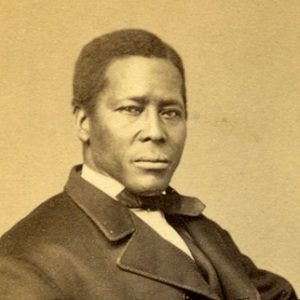
The Underground Railroad was a network of people who provided aid and shelter to slaves fleeing slavery of the South during the early- to mid-19th century. Those who guided the escaping slaves along the routes from slave states to free states and Canada were known as “conductors”. William Still was the leading Philadelphia conductor, constantly risking his own freedom to assist Black escaping slavery.
The most famous conductor of the Underground Railroad was Harriet Tubman. Through his work with the Pennsylvania Society for the Abolition of Slavery’s Vigilance Committee, Still facilitated the financing of several of Tubman’s Southern forays to liberate slaves.
Still was also a “stationmaster” because he used his home — referred to as the “safe house” — as a hiding place for fugitive slaves, providing them room and board during their Philadelphia stop on their way to Canada as well as to other states further North.
Still’s trailblazing work continued after slavery’s abolition when he published “The Underground Railroad”, which remains the only first person account of Underground Railroad activities written and self-published by a Black American.
One of Still’s Philadelphia stationmasters during the 1850’s was Lucretia Mott, who, along with her husband James and six children, used their home at 338 Arch Street to harbor the runaways fleeing from Maryland and Delaware. The risks were great: if their station was uncovered, the Motts faced not only ostracism but fines in the thousands of dollars. The objective was to succor the fugitives until “conductors” like Harriet Tubman could safeguard them to areas in states much further north.
Lucretia Mott was also an outspoken abolitionist, having been a founding member of both the Philadelphia Female Anti-Slavery Society in 1833 and the
National Anti-Slavery Coalition of American Women in 1835. During the 1838 National Women’s Convention hosted by Mott in Philadelphia, a rioting mob attacked Pennsylvania Hall, which had been recently built by abolitionists to host their meetings. Mott linked arms with her fellow women delegates and led them through the violent crowd to safety. Afterward, when the mob targeted her home, Mott relocated her family and waited there to face her ominous opponents, who decided to assault black residences instead.
Mott took her anti-slavery crusade throughout antebellum America, lecturing in major Northern cities like New York and Boston as well as giving speeches in Baltimore, Richmond and other slave-owning states.
The leading stationmaster of this era not operating along the East Coast was Quaker businessman Levi Coffin, who facilitated the vast interstate network that aided slaves to freedom northward through the midwestern states on to Canada. Coffin’s compassion entailed not only a big commitment of time but also of money and of his own residence, which some called the “Grand Central Station” of the Underground Railroad; he explained the challenges:
They sometimes came to our door frightened and panting and in a destitute condition, having fled in such haste and fear that they had no time to bring any clothing except what they had on, and that was often very scant. The expense of providing suitable clothing for them when it was necessary for them to go on immediately, or of feeding them when they were obliged to be concealed for days or weeks, was very heavy. . . . Our house was large and well adapted for secreting fugitives. Very often slaves would lie concealed in upper chambers for weeks without the boarders or frequent visitors at the house knowing anything about it.
The heroic work of Still, Mott, Coffin and countless other conductors and station masters of the Underground Railroad exemplified the courageous leadership of their epoch of American history. It is estimated that through the Underground Railroad over the several decades of its operation over 100,000 slaves found their way from bondage to freedom.